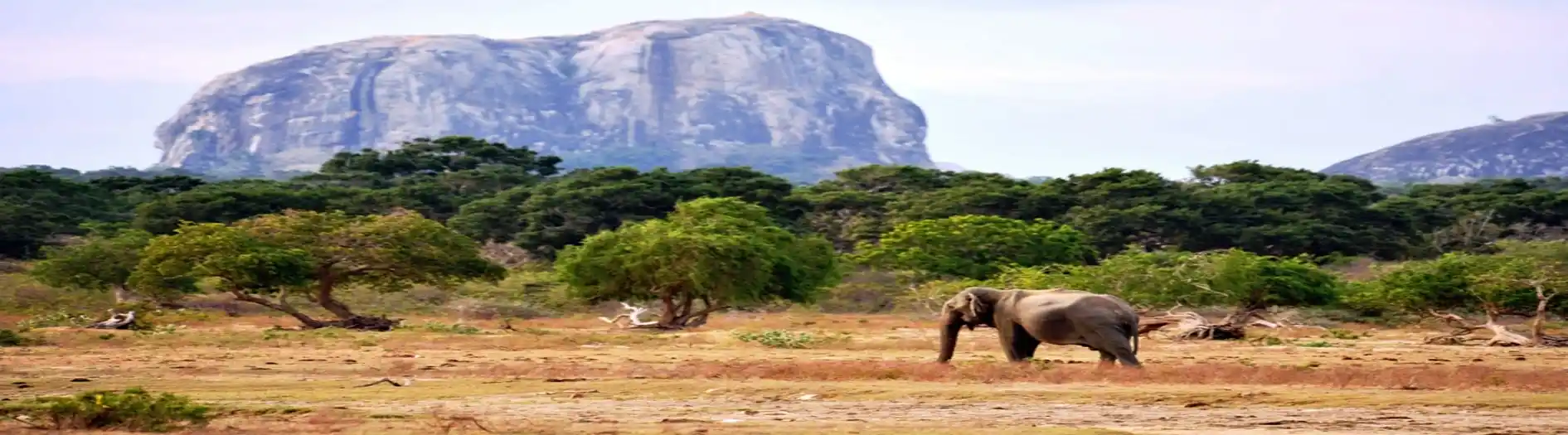
Sri Lanka’s famous jeep safari park for leopards, elephants, and lagoon birds—best explored on a cool morning drive.
Yala National Park is Sri Lanka’s best-known wildlife safari stop. Open plains, scrub forest, and coastal lagoons support leopards, elephants, sloth bears, crocodiles, and rich birdlife.
Most visitors join a guided jeep safari from nearby towns. Sightings are never guaranteed, but dawn and late-afternoon drives give the best chance. Compare parks on the activities page or the wider wildlife safaris guide.
Wildlife You May See
Yala is famous for leopard density, yet every drive is different. Stay quiet, listen to your tracker, and enjoy whatever the park shows that day.
Big cat
Sri Lankan leopard
The star reason many travellers book Yala. Early drives along rocky outcrops and shady trails offer the best odds.
Herd
Asian elephants
Singles and small groups often appear near waterholes, especially in drier months when animals gather to drink.
Birds
Birds, crocs, and deer
Lagoons host painted storks, pelicans, and eagles. Spotted deer, wild boar, and mugger crocodiles are common sightings.
Habitat
Coast and scrub mix
Yala’s mix of beach edge, rocky hills, and dry forest makes each block feel different as the jeep turns a corner.
How a Yala Safari Day Works
Very early start
Meet your driver before dawn. Gates open early, and cooler air helps animal movement.
Entrance and briefing
Tickets and jeep fees are handled at the gate. Follow park rules—no loud noise, no getting down near wildlife.
Morning game drive
Trackers scan tracks, waterholes, and rocky ledges. Soft voices and slow movement improve sightings.
Return and rest
Midday heat is harsh. Many guests rest, then book an afternoon safari if they want a second chance.
Book a reputable jeep with a roof and an experienced tracker. Shared jeeps cost less; private jeeps give more control over pace.
Best Time to Visit
February to July is often favoured for clearer tracks and animals gathering at water. Peak months can feel busy. Shoulder weeks may mean fewer jeeps and still good wildlife.
Heavy rain can close blocks or turn roads muddy—check with your operator the day before.
What to Pack
Neutral-coloured clothes and a light jacket for dawn
Hat, sunscreen, and sunglasses
Binoculars and a camera with a strap
Water bottle and light snacks
Dust scarf or buff for open-top jeeps
Safari Tips and Nearby Parks
Stay quiet: Loud talk and sudden movement send animals away.
Respect distance: Never ask drivers to crowd a leopard or elephant.
Two drives help: Morning plus afternoon raises your chance of a big sighting.